The more we trust AI, the less we think for ourselves
In the guide Customer psychology
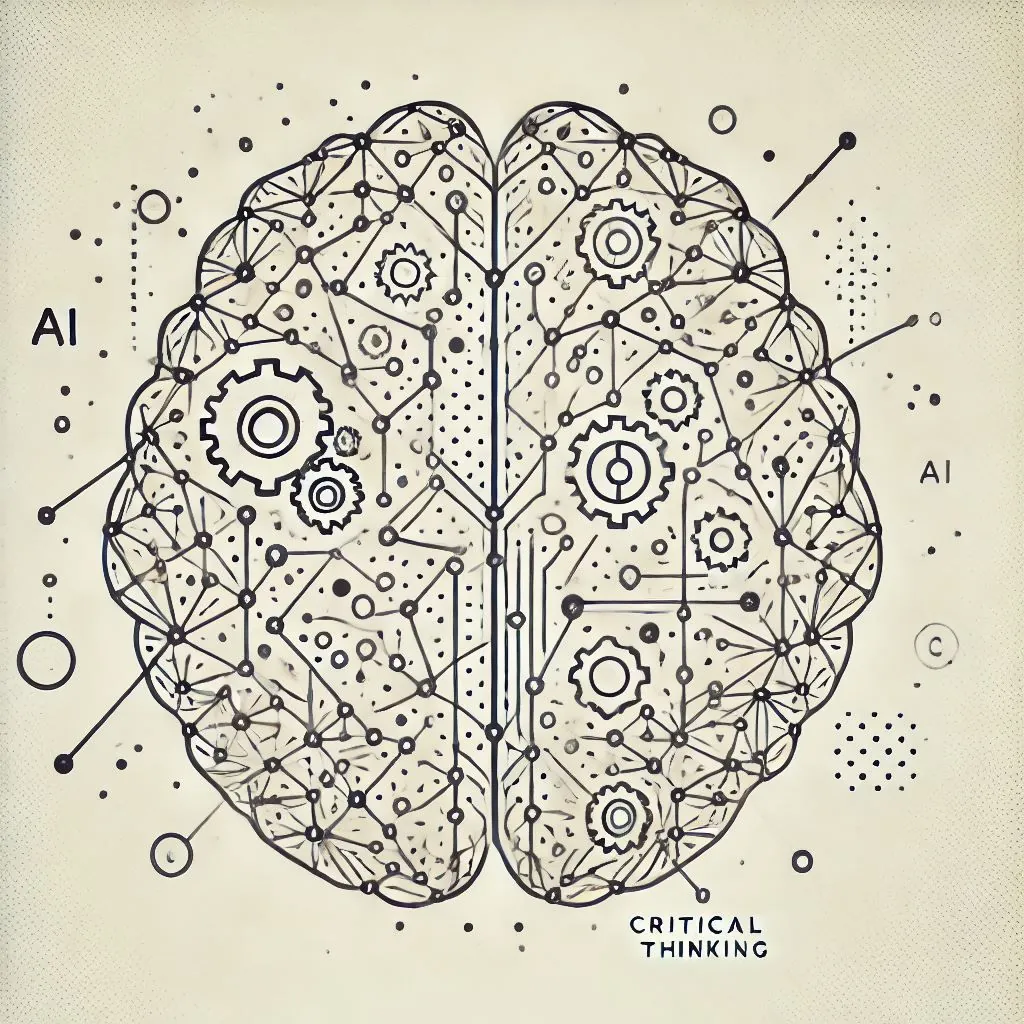
Study shows that the more we trust AI the less we think for ourselves.
I am resharing this post from Mohamed Senhadji:
The results of the first studies are starting to come in, and this is just the beginning. What was only an intuition for me a few months ago is now being confirmed: generative AI has a real impact on our cognitive processes and the way our brain functions.
A recent study by Microsoft and Carnegie Mellon University [link below] has revealed what many of us suspected: passive use of generative AI gradually weakens our critical thinking skills.
In an international panel of professionals, researchers observed a striking phenomenon: the more trust in AI increases, the more our intellectual vigilance decreases.
But in the end, isn’t this the same pattern we’ve seen with other technologies?
- Calculators changed our approach to mental arithmetic
- Spell checkers altered our attention to spelling
- GPS affected our sense of direction
- Phone directories impacted our memory skills
Tools that seem to make life easier can subtly reshape the way we think.
- How can we prevent AI’s convenience from making us passive?
- How can we use AI as a partner rather than a substitute for thinking?
- How can we incorporate moments of thought without algorithmic assistance into our daily lives?
- How can we continue investing in human skills in the face of automation?
The real revolution is not AI itself, but our ability to develop a new relationship with knowledge—where technology consciously enhances our intelligence rather than replacing it.
As the study highlights, we are at a crossroads that requires “a rethinking of how we acquire and apply knowledge throughout our lives.”
Text by Mohamed Senhadji.
Image from Mohamed Senhadji's post.
The Impact of Generative AI on Critical Thinking
The study is by Microsoft Research and Carnegie Mellon University, presented at CHI 2025. 319 knowledge workers described 936 real uses of generative AI at work. The more confident people were in the AI, the less critical thinking they applied; the more confident they were in their own skills, the more they did. Critical thinking does not disappear: it shifts toward checking information, integrating the answers and overseeing the task.
Source: Microsoft Research, CHI 2025
First published on LinkedIn on February 20, 2025. View the original post