Value proposition and pricing
15 notes, 2012 to 2021 · All guides
Your value proposition is the promise you make to your customers. They should understand it at a glance and know right away whether it is for them.
Start with how to build it: the problem you solve, your solution, its benefits, the words of a happy customer and the commitment you ask for. Then test it before you build anything, with online ads, a landing page, a pitch or a solution interview. In a three-minute video in French, the founder of Moichef.fr shows how to write and test one.
For the writing itself, use the PowerPoint template for the customer profile of Value Proposition Design, seven proven templates for the sentence, and the Kano model of customer needs.
Then the harder question: what do customers really want? A painkiller rather than a vitamin, a product they hire for a job, and sometimes the visible effort behind it.
Pricing comes last in the guide, though it should come first in the product: design the product around what customers will pay, then let them choose their level.
Start here
-
How to build your Value Proposition
Getting the value proposition right is one of the most ambiguous task entrepreneurs face in the early definition of their idea. It a convergence point …
-
4 Ways to Test and Validate your Value Proposition
Okay, you think you have nailed a good value proposition for your new product? You like it, your friends like it. Good. But what matters …
-
Définir sa proposition de valeur et la tester simplement
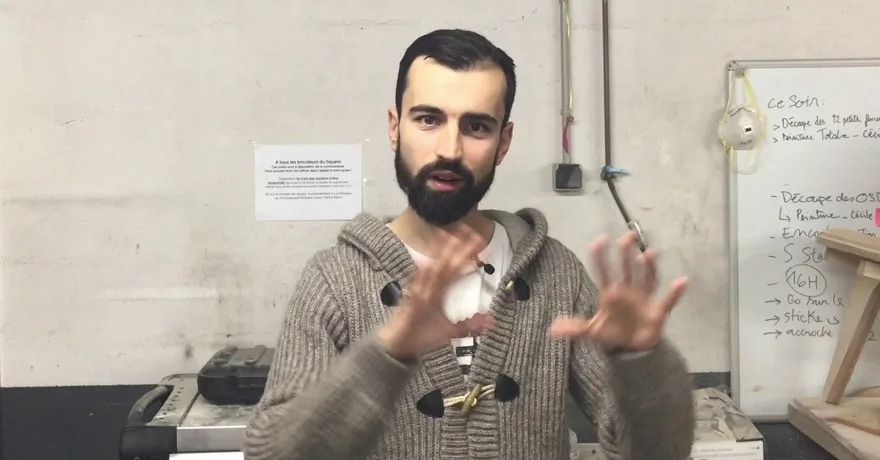
Vidéo de trois minutes sur la chaîne Forward Partners : Tristan, fondateur de Moichef.fr et coach chez Tango, explique comment formuler sa proposition de …


Tools
-
PowerPoint Template for Customer Profile in Value Proposition Design
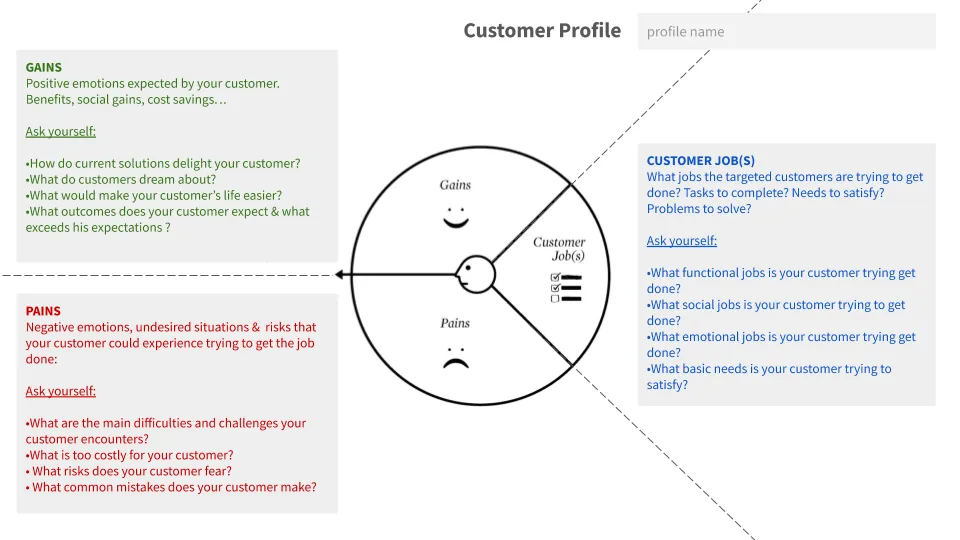
“The more you know your customers, the more you can help them.” an old friend used to remind me The Customer Profile is useful to …
-
7 proven templates for writing value propositions
Tor Grønsund gathers seven proven templates for writing a value proposition, from Geoffrey Moore's positioning statement and Venture Hacks' high-concept …
-
Kano framework, classification of user needs
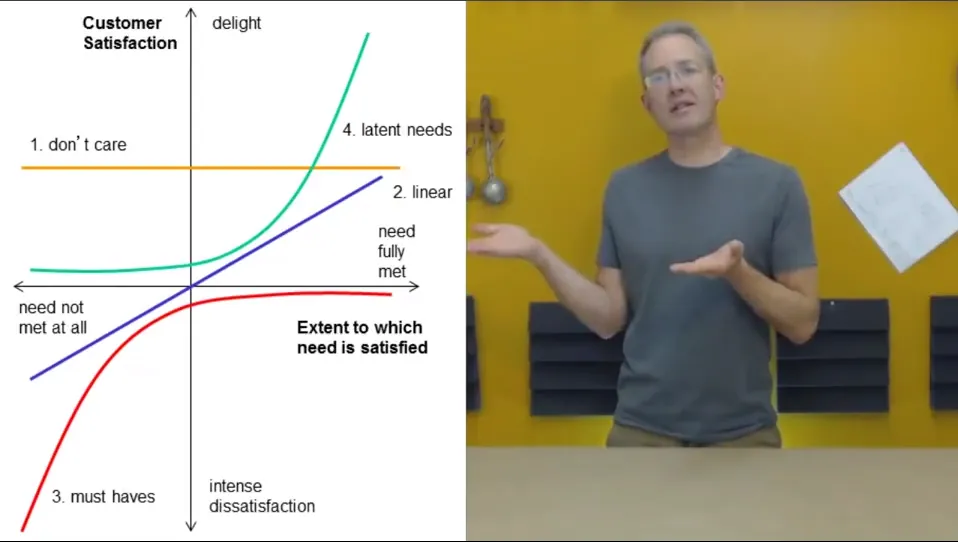
As part of the design course by Karl T. Ulrich (pictured) that I follow on coursera.org (great site btw, which is changing access to knowledge …
What customers really want
-
Customers need to fire something before they can hire your product
Ash Maurya applies Clayton Christensen's jobs-to-be-done framework: a job combines a problem, a customer segment and a situation; jobs outlast time and …
-
Is your product a vitamin or a painkiller?
George Deeb (Red Rocket Ventures) in Entrepreneur: to build a business of scale, a startup needs a « painkiller », a product that solves a big, urgent …
-
Going beyond « Make Something People Want »
Emrah Yalaz starts from Paul Graham's advice, « make something people want », and from Peter Thiel's questions on what is valuable and missing, and …
-
How the perception of effort increases value
Value is relative The value that a buyer sees and depends on the frame or perception they have about the product. To increase the perceived …
-
Product/market fit starts with your high-expectation customers
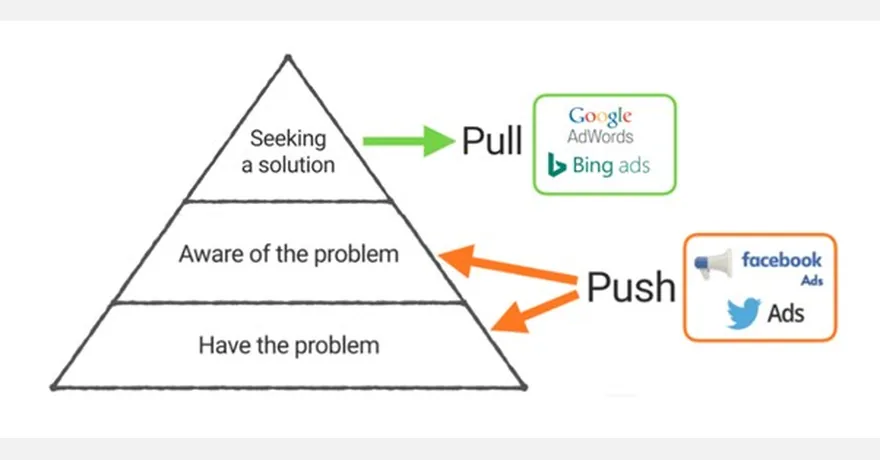
Three tools I keep coming back to: David Bland’s push and pull to find early adopters, Superhuman’s engine to measure product/market fit, and Julie Supan’s high-expectation customer.

Pricing
-
It’s price before product. Period.
First Round Review interview with Madhavan Ramanujam, pricing partner at Simon-Kucher: design the product around what customers value and are willing to …
-
Let your customers segment themselves by what they’re willing to pay
Stefan Michel, in Harvard Business Review (2015): most customers look for the lowest price, but some will pay more for a better service. Rather than …
-
Constructing a pricing strategy for subscription products
CXL's guide to pricing a subscription product: measure what customers value with methods such as Gabor-Granger, the Van Westendorp price sensitivity meter …
-
Don’t build a paywall, create a velvet rope instead
GigaOM (March 2012): as newspapers copy the New York Times and the Wall Street Journal, a paywall is not the only option. Like a velvet rope rather than a …